


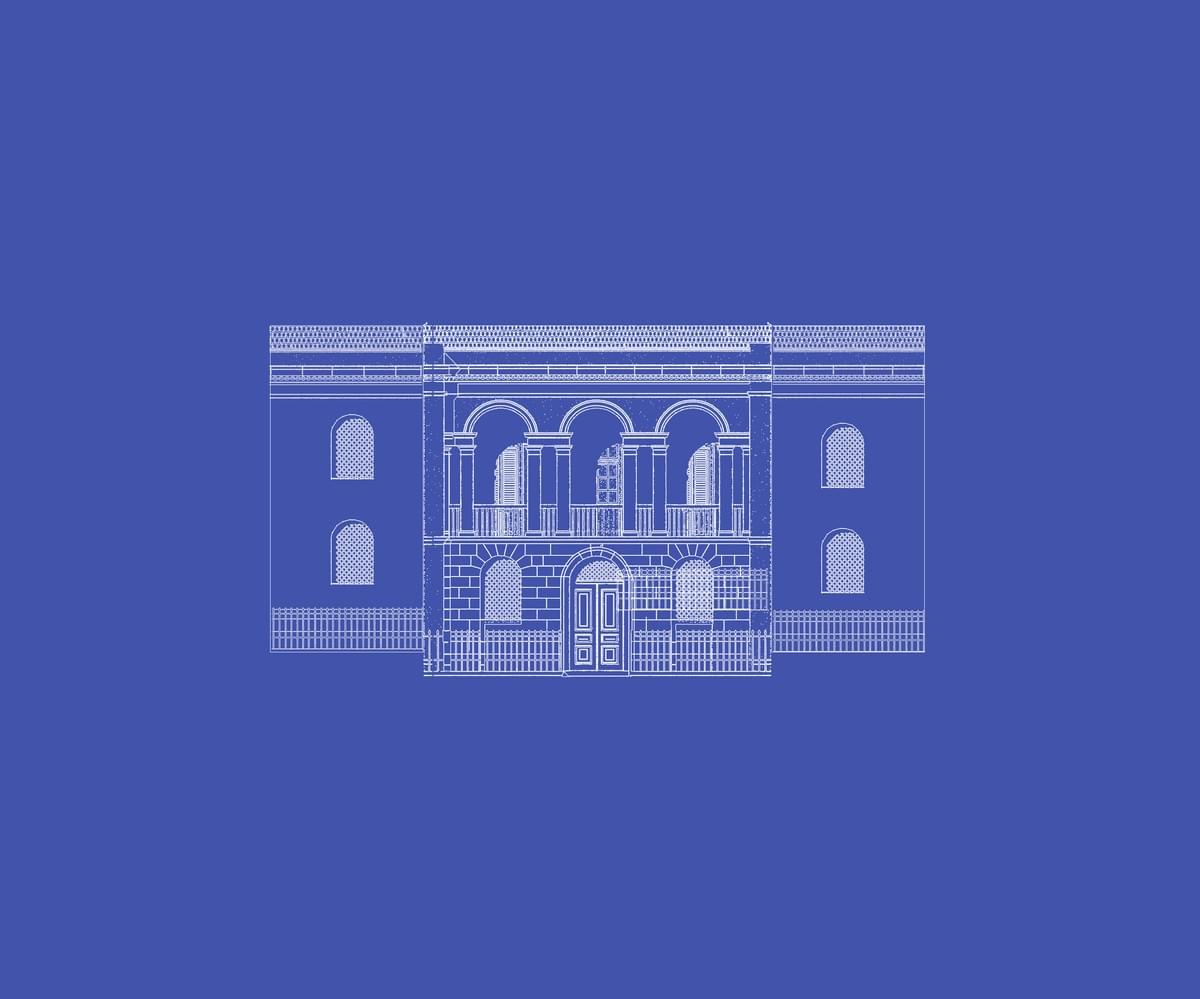
Out of thin air
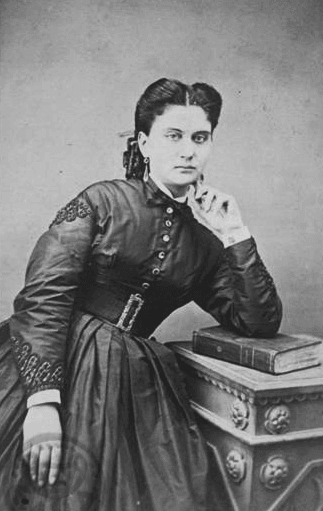
Female figure of the bourgeoisie of Hermoupolis
"The other half—the bourgeoisie set—are hewn of a more complex material and thus quite difficult to classify as a social whole. The siren call of big business lures Greeks of all stripes to Hermoupolis. Although unlike in provenance and social standing, they are united by a common goal-profit."
"Sly, petty Chiotes; earnest, hardworking Andriotes; crooked, slippery Moraites; simple, honest Kassiotes: all somehow clinging to their local factions while merging into a mutable and amorphous community founded on the principle of wealth"
M. Karagatsis, "the Great Chimera" Page 86.
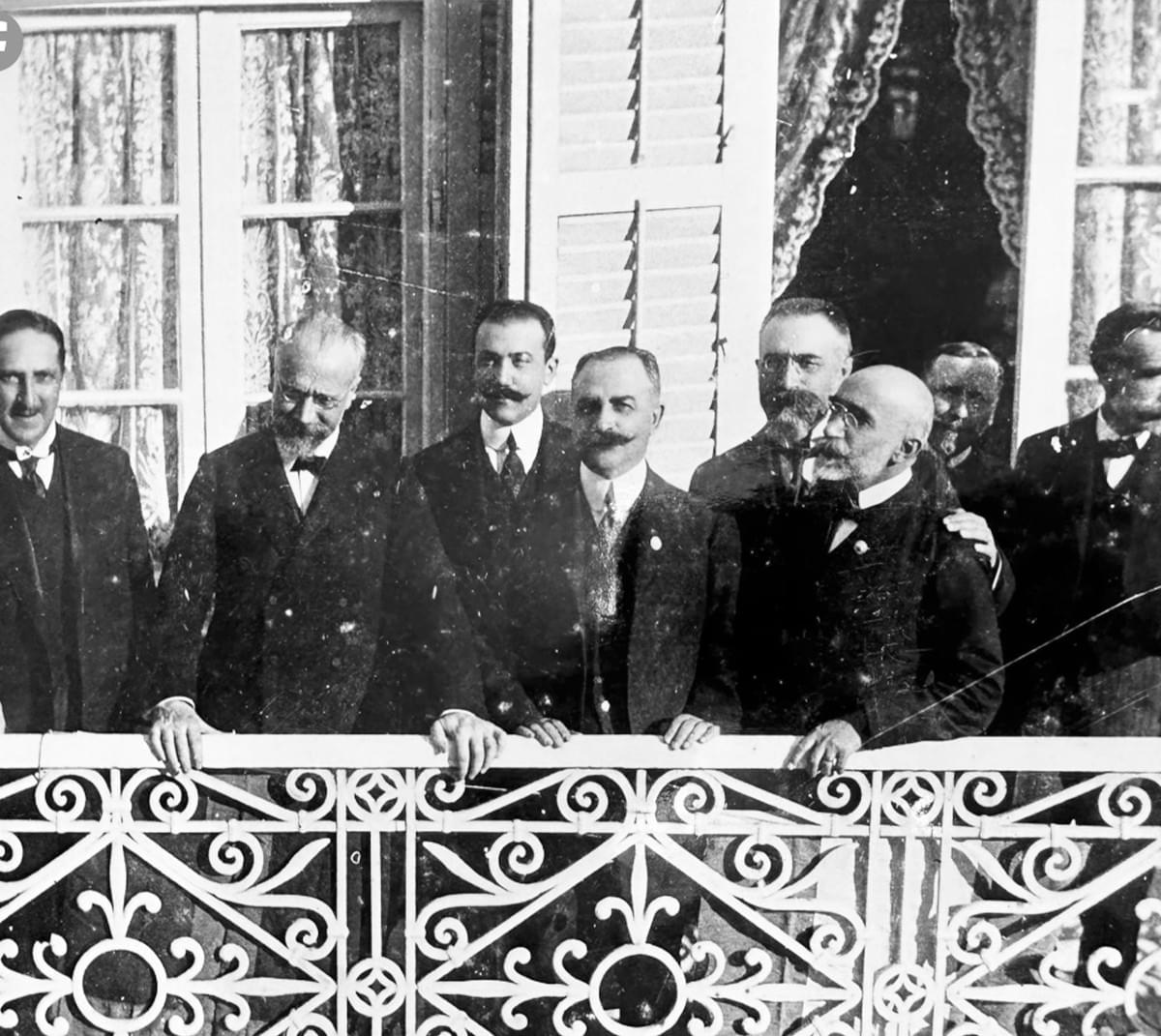
Important political and manufacturer owners of Hermoupolis of 19th century.
.
Their social life is founded on the conspicuous display of wealth, the thin veneer of culture. Exclusive clubs, well-to-do homes, affable mannerisms, prim speech, and a completely ritualized hospitality. Yet under this veneer, the passions endangered by the lack of deeper forms of cultivation run riot. Other consequences of this intellectual poverty are an extreme modernism and an uniscerning cosmopolitanism, which, rooted in inhospitable soil, bloom into stunned, grotesque figures. The Kassiotes, however, provide a note of comforting discord to this picture... While the older generation , used into humble wooden schooners of yore, looks askance at the younger's new shipping riches... Like the fathers before them, they are hard, conscientious workers, dedicated to their Vessels and businesses in Syros, Piraeus, and london. Patiently they await their time, certain that one day it will come.
pages 86-87.
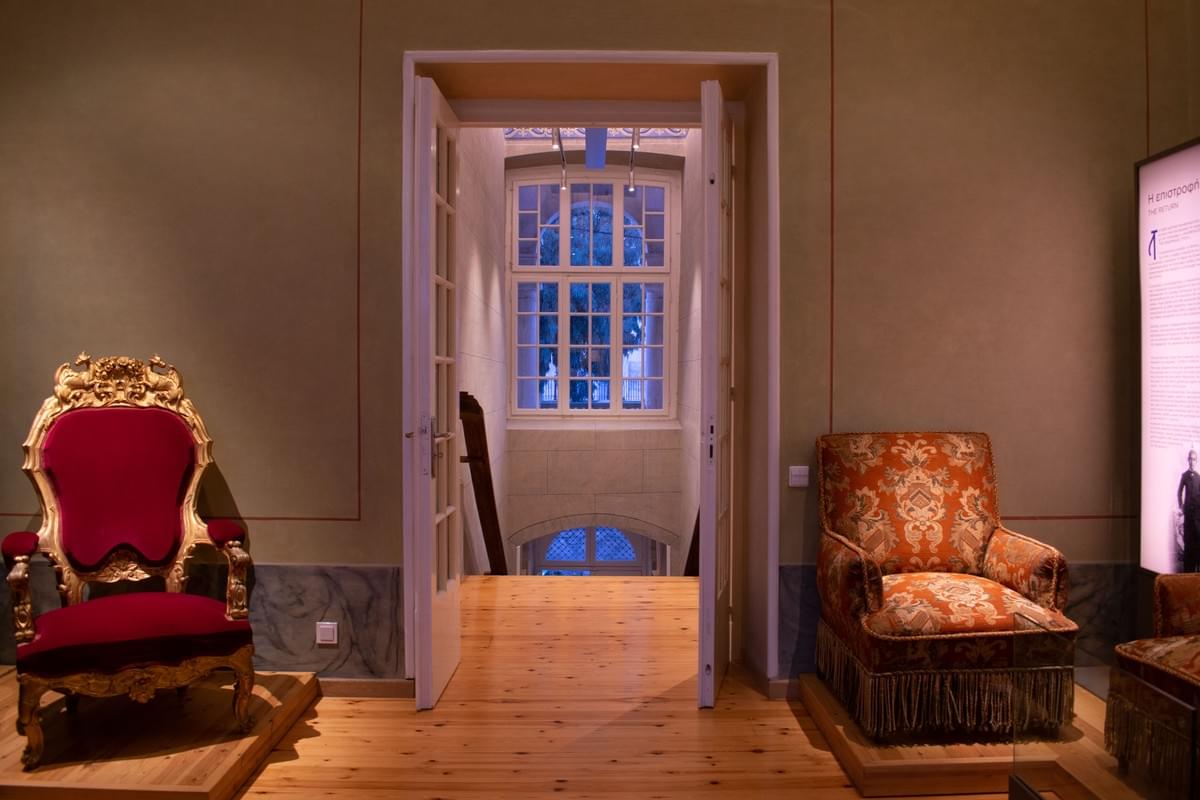
Rethymni Mansion - Historical Museum of Hermoupolis
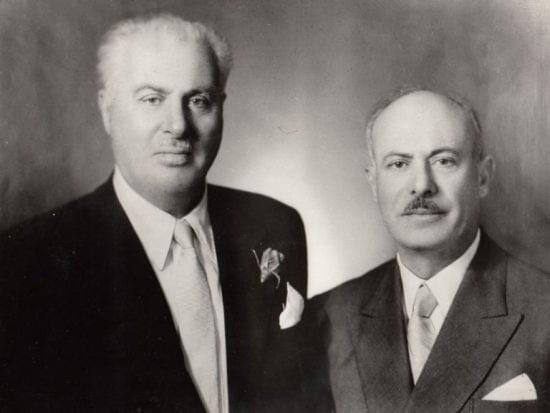
The Rethymni brothers, Nikolaos (left) and Minas (right).
Τhe Historical Museum of Hermoupolis is housed in a neoclassical gem of Hermoupolis, the former residence of the Rethymnis, a building listed as a Monument by the Ministry of Culture.
Built in 1840, in Vaporia district, which is considered the most prestiguous of Hermoupolis, the building
passed through 4 different families. The loggia (terrace) is work by the Italian architect Pietro Sampo, who also designed the Apollon Theatre and the Hellas Club in Syros. The design of Sampo changed drastically the
physiognomy of the building, with the creation of the impressive entrance, leading to the beautiful staircase of the residence.
The last owners of the building, the Rethymni Brothers, Nikolaos and Minas, were a family of descendants from Kassos. They were shipowners and important benefactors of Hermoupolis. Since they didn’t leave any descendants, they offered the building as a bequest to Fifi Andrianopoulou, who passed it on to the Lyceum of Greek Women of Syros

