Lets face the monotony

Marching band of Hermoupolis
"The tranquillity of provincial life provide simple entertainments: they visited each other's homes; played pinoclhle and bridge, a little poker; exchanged a good measure of gossip; partook in the occasional 'family' dance. This was how Marina spent her first winter in Syros. The one expection that demanded greater social exertion was the week of Carnival. Their club set the stage with a series of lavish formal balls followed by private receptions raging with hollow display.
Page 88.
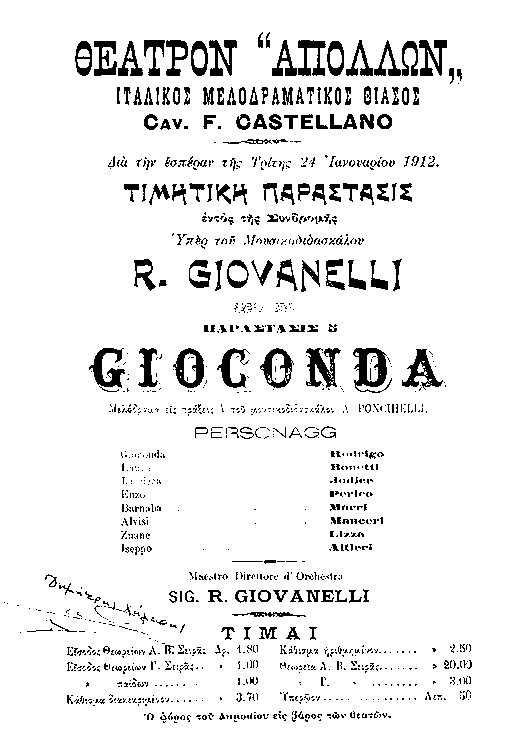
Promotional poster of the opera "Gioconda" by R.Giovanelli, played at the Theater Apollon of Syros in 1912.
.
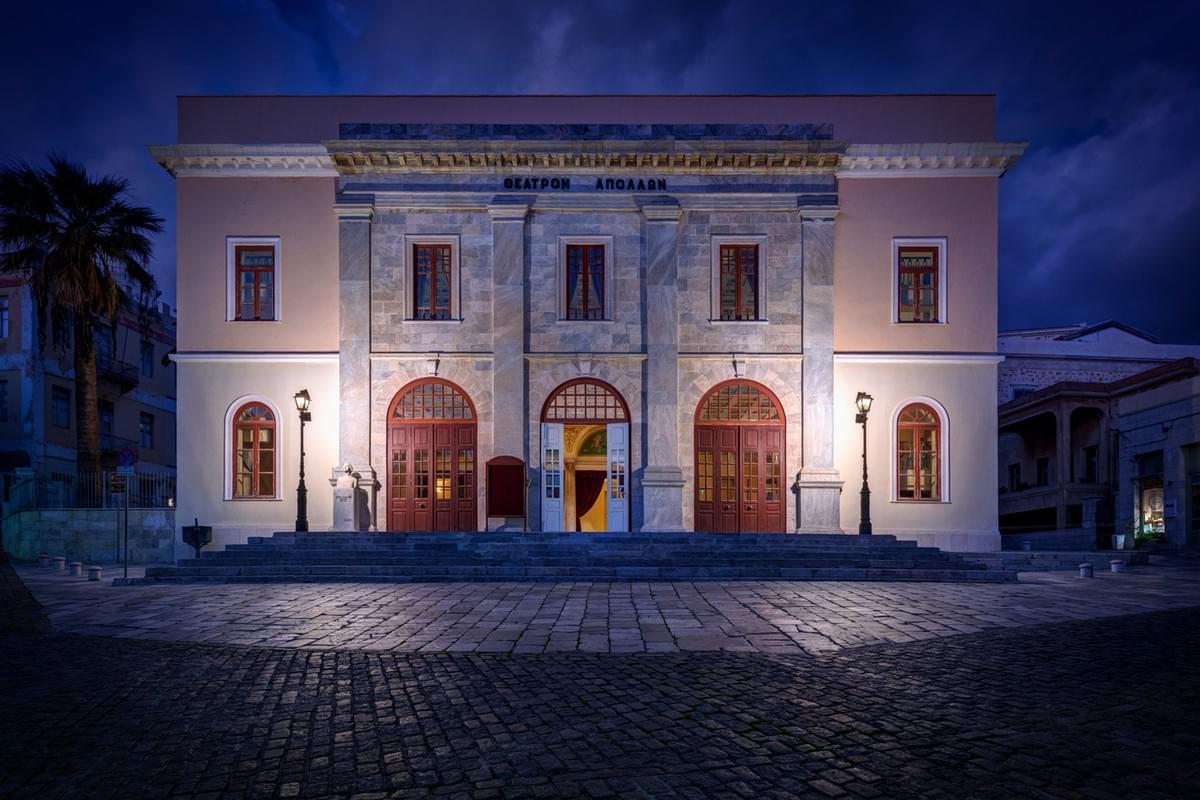
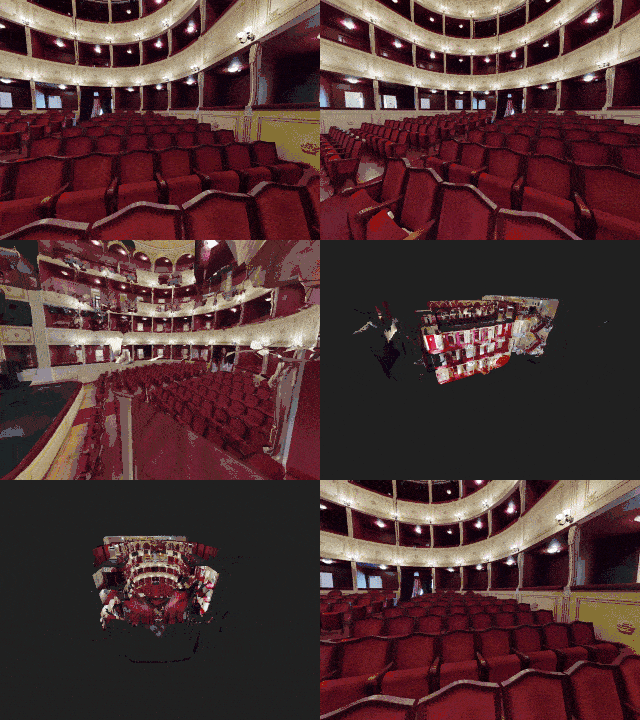
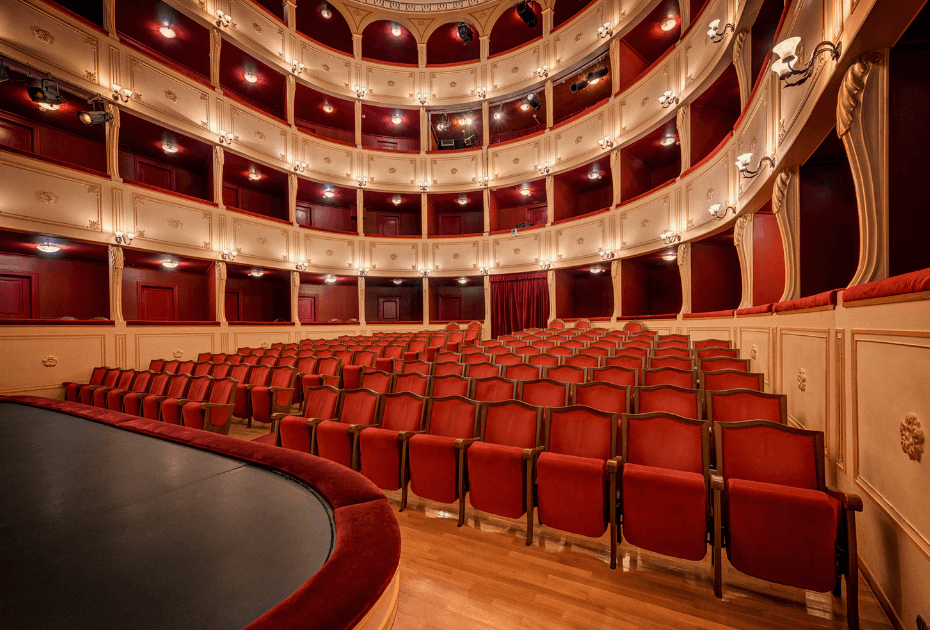
An important aspect of social formation in 19th centrury Hermoupolis is the need for rich cultural events, as an effort for the middle and especially the upper class to avoid the monotony of provincial life. One of the most significant pillars of cultural events is the emblematic Apollon Theatre, designed with the specifications of a Lyric theater, one that can host high-quality operas, operettas, and other theatrical performances. With families of the upper social classes renting their own private box annually, for which they even had a personal key key, the theater also welcomed members of the working class, even maids, although, of course, disturbances and expressions of displeasure did occur from time to time.
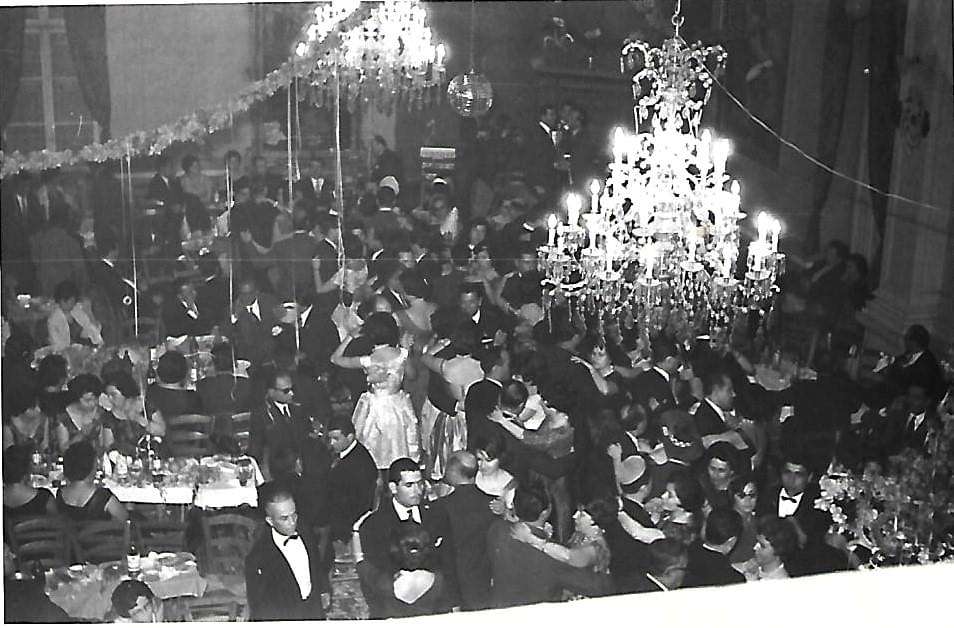
Νew Year's ball in 1965, at the famous "Club Hellas" of Hermoupolis.
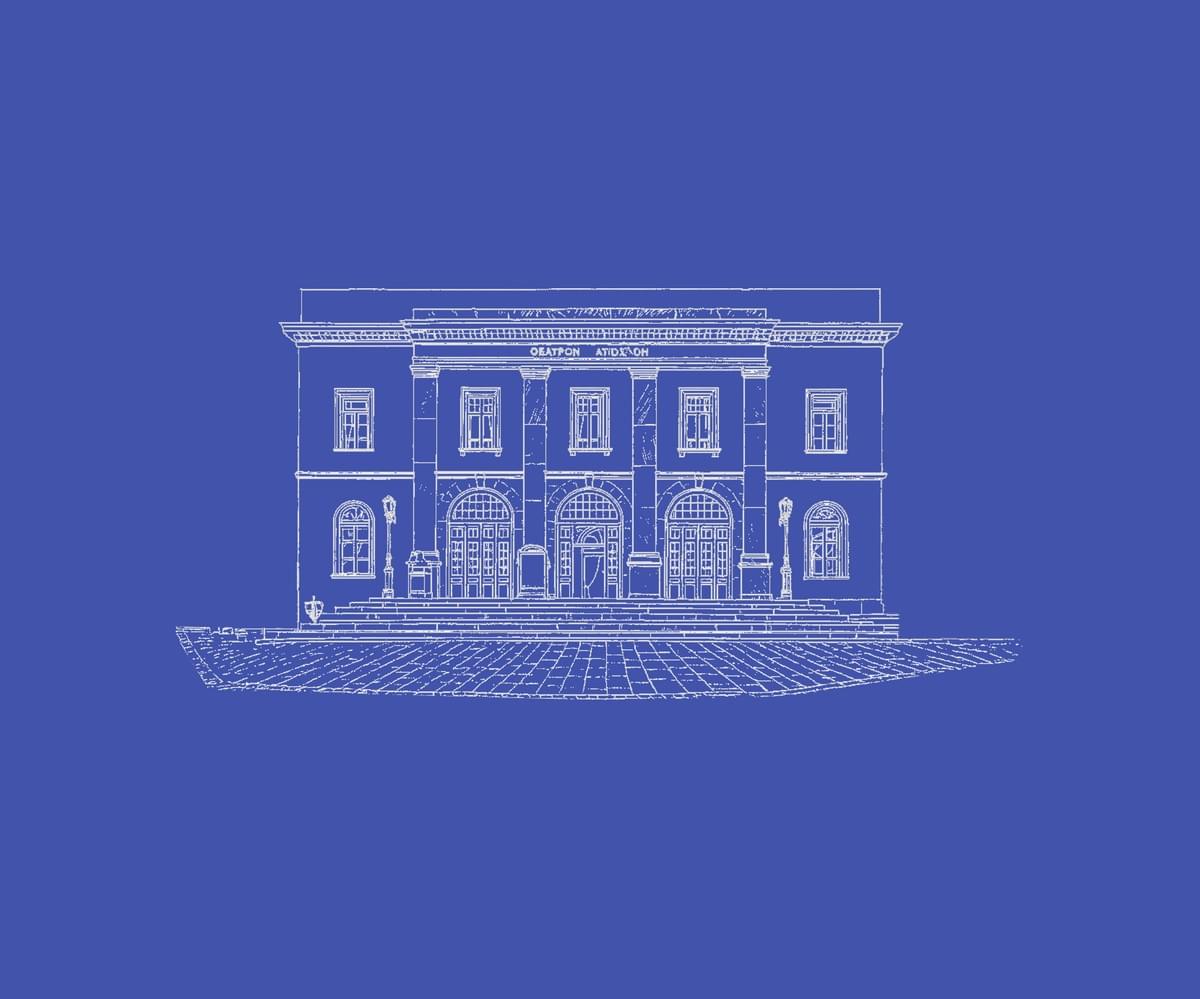
Apollon Theater
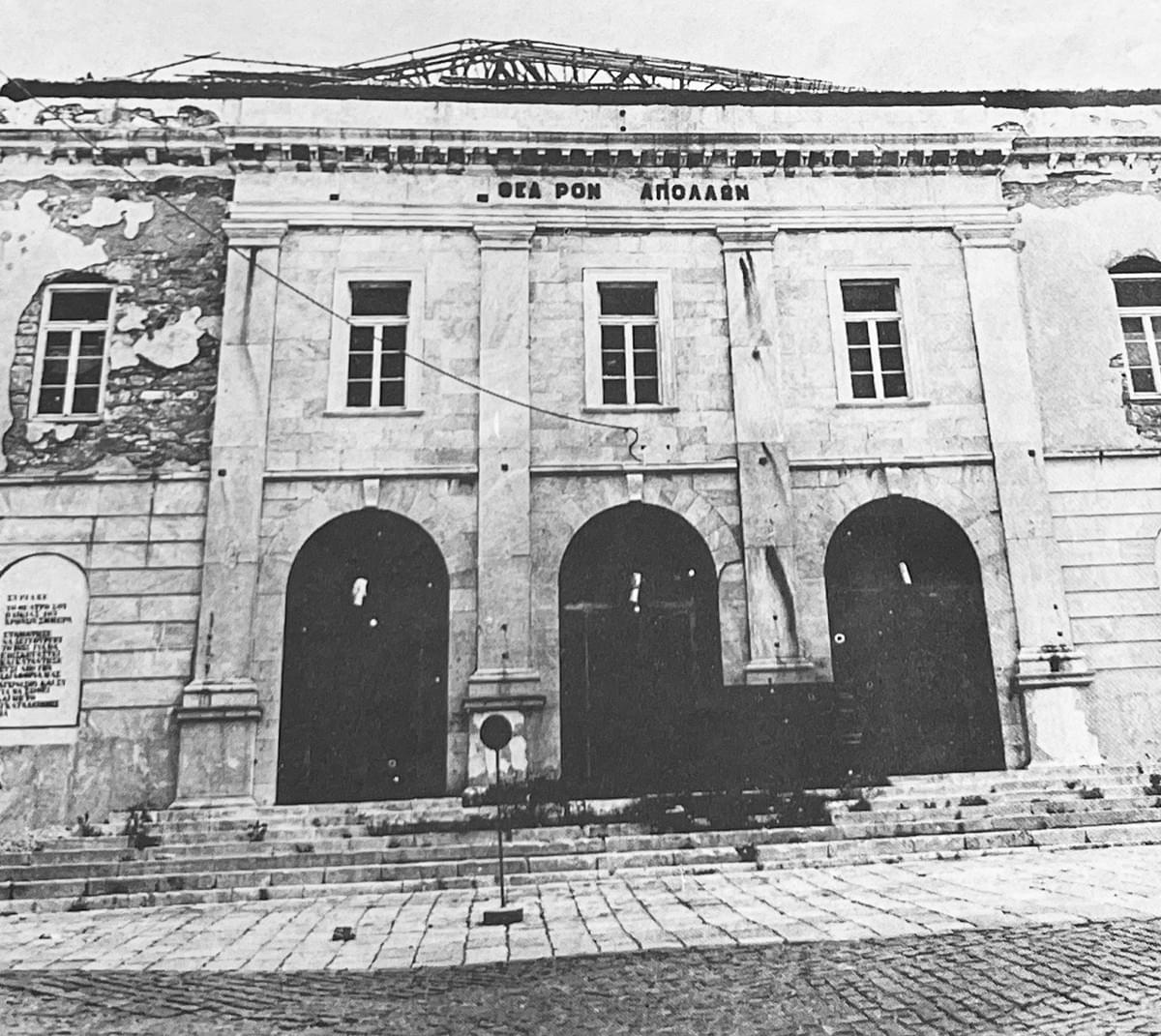
the Apollon Theater durinhg the 1950s.
,
Listed as a monument by the Ministry of Culture, Built in 1864, this emblematic structure was designed by the Italian architect Pietro Sampo, inspired by renewed Italian theaters, such as La Scala in Milan.
The Apollon Theater has served as a social-economic reflection of the city, from its prestigious opera events, its gradual degredation with few theatrical performances to movie screenings, following its partial collapse by a fire incident during the 1950s. Through public outrage, the building was reconstructed and today serves as one of the pioneering spaces of culture in the urban fabric of Hermoupolis.